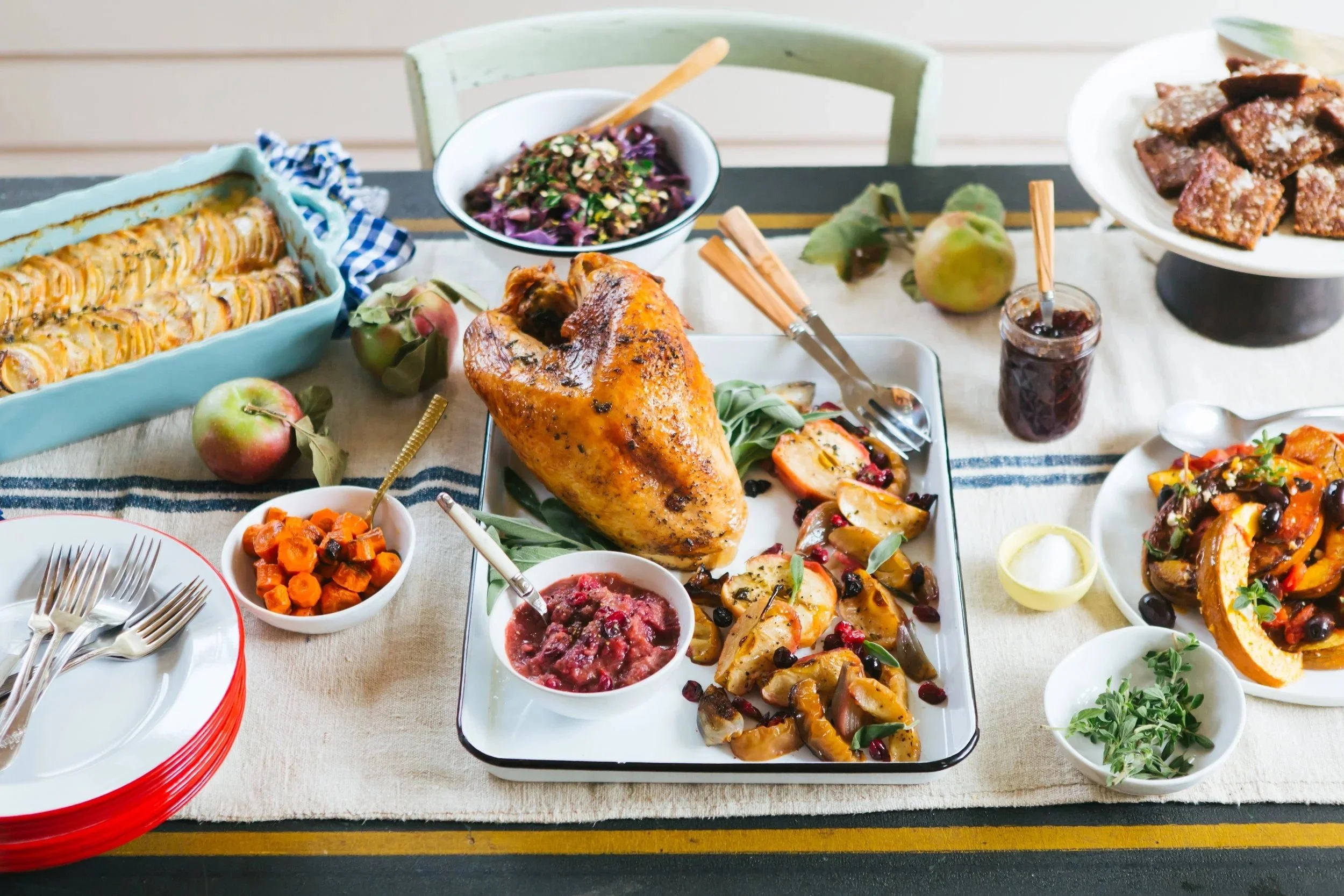
As food prices fluctuate, Americans are navigating choices about what to spend, what to cook and which traditions to preserve. This year's Thanksgiving table offers a window into the tastes, habits and priorities that could influence American home cooking and food culture in 2027.
As I prepare to host my own Thanksgiving dinner, I've been reading food forecasts and talking with people about their holiday plans. What they're cooking, how many people they're hosting and which dishes are nonnegotiable. Together, those conversations are giving me an interesting picture of Thanksgiving 2026.
The economic picture is mixed. Expana's Thanksgiving Dinner Index reports that wholesale costs for traditional holiday ingredients declined 4.7% from last year, even as potatoes, sweet potatoes and turkey faced higher prices. At the grocery store, the American Farm Bureau Federation's annual survey found that a traditional Thanksgiving meal for 10 costs approximately 6% more than in 2025.
The figures are useful, but I'm more interested in how people respond. When familiar ingredients become more expensive, families don't necessarily abandon the dishes they love. They adjust, often revealing which parts of a meal matter most.
Thanksgiving is one of those occasions when food choices become deeply personal. People who happily experiment with new recipes throughout the year can be remarkably particular about their holiday favorites. The stuffing has to taste like their grandmother's. The cranberry sauce must be homemade, or perhaps it absolutely must come from a can. And someone inevitably has a strong opinion about whether marshmallows belong on sweet potatoes. These preferences make sense when you understand the memories and relationships attached to them.
I suspect this year's Thanksgiving will bring an interesting mix of practicality and pleasure. Families may spend a little more on dishes they wouldn't dream of leaving out. Mashed potatoes enriched with plenty of butter and cream. Green bean casserole finished with a generous scattering of homemade, crispy fried onions. A family recipe prepared exactly as it has been for generations because changing even one ingredient would make it feel different. There may be fewer dishes overall, but more attention paid to the ones everybody loves.
I expect some adventure, too. Swicy roasted sweet potatoes with honey and chile heat. A crunch-forward salad of shaved Brussels sprouts, crisp apples, pickled shallots and toasted pistachios. Or an unexpected contribution that becomes the dish everybody wants the recipe for. There's a particular pleasure in discovering something new at a table filled with familiar favorites.
One generation's experiment becomes the next generation's tradition. That's part of what makes Thanksgiving interesting. We want familiarity, but we enjoy being surprised. We're willing to change some things while protecting others, and those decisions aren't always determined by price.
Someone might simplify the menu to save money, then seek out a particular ingredient for the dish that makes Thanksgiving feel like Thanksgiving. Another might spend hours preparing a family recipe, only to discover that the simplest new addition becomes everyone's favorite. I've observed these relationships throughout my career working with food, consumer brands and the people who bring them into their homes. Our choices are shaped by culture, habit and personal experience as much as by price or convenience.
A familiar food can carry meaning beyond its ingredients. Greater care in preparation can make something ordinary feel special, while a new idea may find its place because it brings pleasure to an experience people already cherish.
For food brands, retailers and hospitality businesses looking toward 2027, these choices offer useful insights. What are people willing to spend more on? What are they happy to change? What wouldn't they dream of giving up?
Those distinctions matter when household budgets are under pressure. Becoming more selective doesn't necessarily mean losing interest in quality, discovery or enjoyment. It may mean being more particular about what deserves the money and effort.
I'll be watching what happens around my own Thanksgiving table this year: which dishes disappear first, which favorites people return to for seconds and whether something unexpected earns an invitation back next November. Traditions aren't preserved simply by repeating them. They're shaped by the people who gather, the experiences they share and the small decisions that become part of a family's story.
Somewhere between the dish nobody would dare change and the one nobody expected to love, we get a glimpse of how our tastes, habits and culture continue to evolve.
See what this thinking can make possible.
Explore how I help brands and business leaders turn cultural intelligence into strategy and action.