After more than three decades building my career in other places, I’m finding new reasons to look closely at the region that shaped me. What I’m seeing across Delaware, southeastern Pennsylvania and Maryland’s Eastern Shore reminds me of changes I’ve witnessed elsewhere in America.
I come from generations of Pennsylvania and Virginia farmers. Delaware and southeastern Pennsylvania are where I learned to cook, developed my craft and began to understand the connections between food, people and business.
My career took me to New York, Atlanta, Paris and communities across America. For more than three decades, I’ve gotten to know chefs, makers, entrepreneurs and creative people whose work helps shape the character of the places they call home. I returned regularly to visit family, but I often wished the region where I grew up offered more of the experiences I had come to appreciate elsewhere.
Not because it lacked extraordinary ingredients, talent or traditions. Quite the opposite. The farms, fisheries, dairies and generations of skilled makers were always here. I wondered why more of that abundance wasn’t reflected in the range of experiences people could enjoy.
Recent changes in my family brought me home. I’ve been making a point of getting out, meeting people, visiting businesses and listening to their stories. And what I’m discovering has surprised me.
It isn’t simply that I’m discovering wonderful places. I’m seeing talent, investment, craftsmanship and ambition gaining momentum across communities and industries at the same time. Some of it is new. Much of it has been building for years. Together, it feels like the beginning of something larger.
What Was Here, and What’s Changing
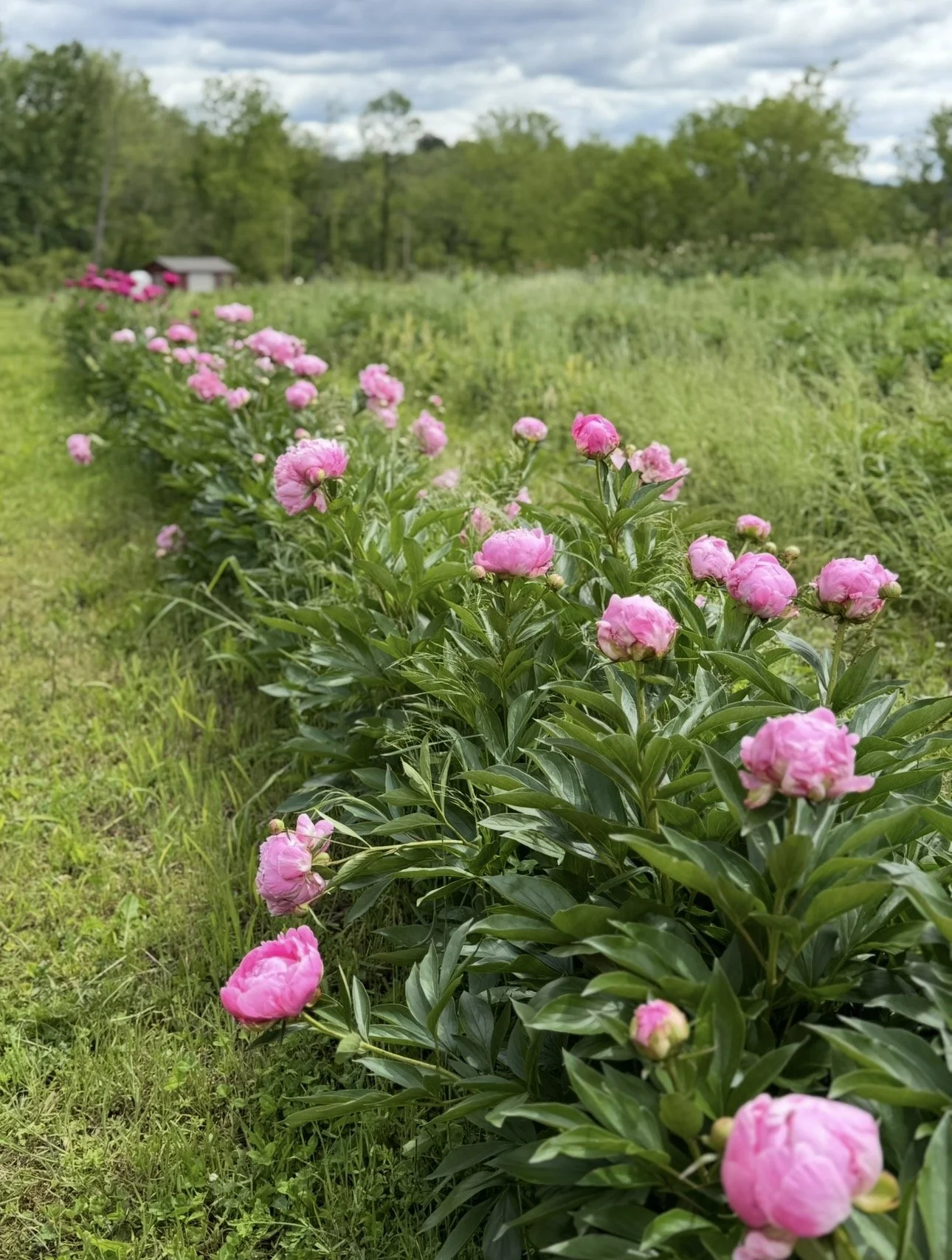
Shortly after my grandmother died last year, I discovered Styer’s Peonies in Chadds Ford through its peony festival, a public celebration that was in its seventh year in 2025. Fields of magnificent blooms, cultivated by a business with roots reaching back to 1920, practically in the backyard of the region where I grew up. I had no idea it existed.
The flowers were extraordinary. Just as interesting was the invitation to experience them. A working agricultural business had opened a window into something it had cultivated for generations. I went looking for peonies and came away thinking about what else might be waiting to be discovered.
My mother, now retired, has been exploring Amish markets, farm stands and independent businesses along Pennsylvania’s back roads. She brings home things for us to taste and enjoy. Gabriel and Diana of Lancaster Gift Box sent me a collection of locally made treats, including Groff’s chocolate-covered pretzels and buttery toffee that I loved. I was taken not only with the products but with the idea of a business helping independent makers reach people who might never otherwise find them.
The Brandywine Valley’s wineries are another part of the picture I’m eager to explore. Penns Woods Winery, which makes wine from Pennsylvania-grown grapes, was nominated for Wine Enthusiast’s 2026 American Winery of the Year. Recognition isn’t the same as quality, but it can help people look at a familiar place with fresh eyes.
And there are new expressions of ambition alongside those longstanding strengths. Lancaster-based Swift Coffee has spent a decade challenging assumptions about instant coffee. Its specialty instant products now reach customers and other coffee businesses far beyond Pennsylvania. It’s the sort of business that makes me curious about what else is being developed here for a national audience.
The Experiences That Make People Stay
During an impromptu gathering with my siblings, we found ourselves at The Creamery in Kennett Square, a former dairy property reimagined as a gathering place. I hadn’t known it existed, and it became one of my favorite days in recent years.
There were well-made drinks, good, uncomplicated food, live music and a thoughtfully designed space that felt comfortable and familiar. People of different ages were enjoying themselves. Nobody seemed in a hurry to leave, including us. The details were considered without the place feeling precious. We weren’t there to evaluate a hospitality concept. We were having a wonderful afternoon together. That’s what made it work.
In Lancaster, LUCA’s wood-burning hearth, handmade pasta and farm-driven cooking bring Italian traditions into conversation with the surrounding agricultural landscape. Taylor and LeeAnn Mason opened the restaurant in a residential neighborhood, in a repurposed building whose doors open toward the street. It feels connected to the people who live nearby. And chef de cuisine Nathan Flaim, who returned to the region after working in San Francisco, represents another part of the story: experience gained elsewhere finding an expression at home.
In Wilmington, Scott Stein, Antimo DiMeo and the Bardea team are helping draw attention to Market Street through ambitious restaurants and continued hospitality investment. But the opportunity isn’t confined to a great dinner. The Buccini/Pollin Group and other developers have renovated older buildings and expanded downtown living. People who choose to live there need coffee in the morning, useful shops, everyday services, welcoming public spaces and reasons to enjoy their neighborhood on an ordinary Tuesday. Longtime residents deserve those benefits, too. Safety, comfort and the experience between destinations matter as much as what happens inside any one door.
Elsewhere, Aimee Olexy’s Talula’s Table has long shown what distinctive hospitality can mean in Kennett Square. On the Delaware coast, One Coastal brings local farms and waters into its cooking. In Easton, Maryland, Harley Peet’s James Beard recognition for Bas Rouge has helped draw attention to another community outside the usual metropolitan spotlight.
These businesses are different in scale, purpose and history. They aren’t necessarily part of a coordinated movement. But viewed together, I see a growing appetite for excellence, and a chance for the people who live here to enjoy more of what their communities offer.
I’ve Seen This Kind of Momentum Before
In Boise, Idaho, I found independent businesses bringing exceptional care to their work. I still remember a wonderful conversation with Grant Shealy at Neckar Coffee. The coffee was excellent, but so was the attention to the space and the experience. Chef Kris Komori’s James Beard Award at KIN in 2023 brought another kind of national recognition. Neither business defines Boise by itself. Together with its other makers, artists and entrepreneurs, they contribute to a city with a personality all its own.
Greenville, South Carolina, took a different path. The transformation of its downtown involved public choices as much as private enterprise: removing a highway bridge that obscured the Reedy River falls, creating Falls Park and making Main Street a place where people want to walk, browse, eat and linger. The space between the businesses became part of the attraction.
At Pearl in San Antonio, Silver Ventures recognized that a shuttered brewery could become much more than restored buildings. Hotel Emma, the Culinary Institute of America, residences, independent shops, restaurants and a farmers market give people different reasons to come, and more reasons to stay. The challenge now, as with any successful district, is to keep the mix useful and compelling as the people who live, work and visit there change.
And I think about Blackberry Farm, outside Knoxville in Walland, Tennessee. Kreis and Sandy Beall acquired the property in 1976 and, over decades, helped turn a small inn into one of America’s most celebrated hospitality destinations. Their son Sam expanded its culinary ambition. The influence traveled beyond the property through the people who worked and trained there, taking their standards and experience into other communities.
Blackberry Farm didn’t transform East Tennessee on its own. Nor did Boise, Greenville or Pearl follow a single formula. But each shows how distinctive local strengths, ambitious people and sustained attention to the experience of a place can create value far beyond one business.
A Region Coming Into Its Own
For a long time, communities across Delaware, southeastern Pennsylvania and Maryland’s Eastern Shore have been understood in relation to larger neighbors, especially Philadelphia. Those connections are strengths, but they needn’t be the whole story.
What excites me is the convergence: the region’s longstanding strengths are meeting new talent, ambition and investment in ways that could give it a stronger identity of its own. Established makers are reaching new audiences. People who built skills elsewhere are bringing them back. Entrepreneurs are raising expectations. Historic properties are finding new purposes. National recognition is arriving in places that have long deserved a closer look.
I don’t mean that everyone is working from one plan, or that the work is finished. I’m still learning how much has been underway behind the scenes, and I’m grateful to the people who have invested years, sometimes generations, in these communities. There are real questions about affordability, access, safety and who gets to benefit as places change.
But consider the possibilities when more of these efforts reinforce one another. A farmer finds a new customer in a restaurant. A maker reaches buyers across the country. A winery brings visitors into the countryside. A gathering place becomes part of a family’s traditions. More downtown residents support the shops and services that make everyday life better. A talented young person sees a reason to build a career close to home.
That is more meaningful than a headline or an award. It’s about livelihoods, pride, connection and the pleasure of living somewhere with a character all its own.
I’ve spent much of my career watching how food, culture, business and community influence one another. I know what it feels like when people bring genuine ambition to the places they love. I’m sensing more of that here, and I’m eager to keep exploring, listening and contributing where I can.
Only recently did I recognize something personal about the story I was seeing.
I’m one of the people who left, built a career elsewhere and came home.
The place that shaped me is changing. So am I. And after 35 years of learning from people and communities across America, the possibility of helping shape what comes next here feels especially meaningful.
See what this thinking can make possible.
Explore how I help brands and business leaders turn cultural intelligence into strategy and action.